როგორ განვსაზღვროთ წამწამების კორექციის ფასი: ხარჯები, დრო და მოგების მარჟა
 ავტორი — DaySync-ის გუნდი. ტექსტის პირველი ვარიანტი მოამზადა Lissa, ჩვენმა ხელოვნური ინტელექტის ასისტენტმა წერისთვის.
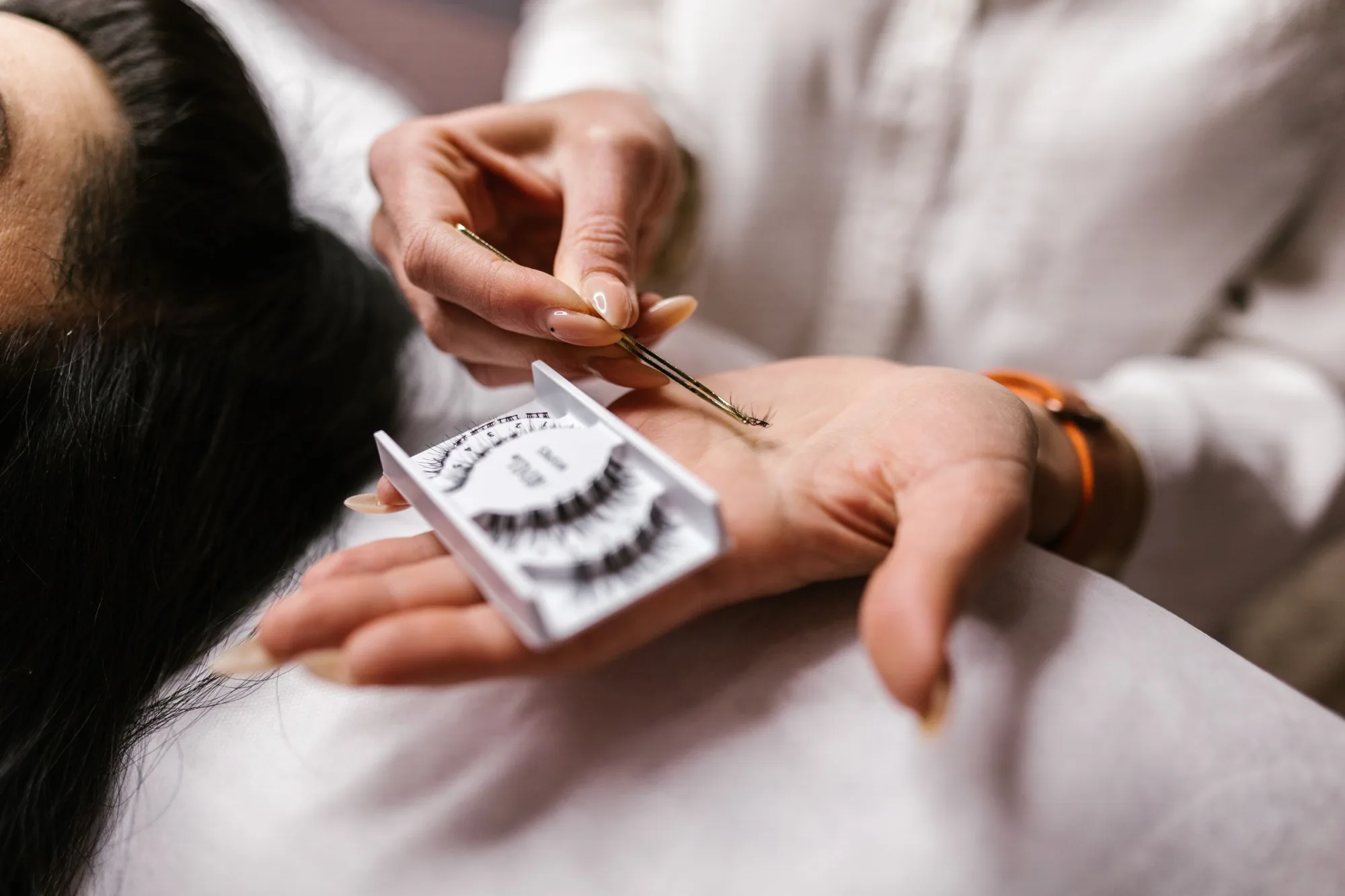
ახლომდებარე სტუდიის ფასი სასარგებლო კონტექსტია, მაგრამ არ გეუბნებათ, ფარავს თუ არა წამწამების კორექცია თქვენს ხარჯებს. დაიწყეთ მასალებით, თქვენ მიერ დაკავებული დროითა და ყოველთვიურ ხარჯებში თქვენი წილით. შემდეგ აირჩიეთ ფასი, რომლის ახსნაც და გადახედვაც შეგიძლიათ.
წამწამების კორექციის ფასის დასადგენად შეკრიბეთ მასალები, შრომის დანამატი და დაკავებული დროის ზედნადები ხარჯები. სასურველი მარჟისთვის ეს ხარჯი გაყავით 1-ზე მინუს მარჟა ათწილადის სახით. დაამატეთ ხარჯები, რომლებიც თქვენს გამოთვლაში არ შედის.
ქვემოთ მოცემული ციფრები აშშ დოლარში პირობითი მაგალითებია და არა რეკომენდებული ფასები ან ადგილობრივი ბაზრის საშუალო მაჩვენებლები. გამოიყენეთ თქვენი ხარჯები და თქვენი ვალუტა.
1. შეაფასეთ მასალები ერთ ჩაწერაზე
გამოიყენეთ შესყიდვის ფასები და რაოდენობა, რასაც რეალურად ხარჯავთ. ჩართეთ წამწამები, წებო, ბალიშები, ლენტი, საწმენდი და სერვისისთვის გამოყენებული სხვა ნივთები. გაითვალისწინეთ დანაკარგი და ნუ ივარაუდებთ, რომ შეფუთვაში ყველა ნივთი გამოსადეგია.
ამ მაგალითში:
- წამწამები: $2,75
- წებო: $0,75
- სხვა სახარჯი მასალები: $2,50
- მასალები სულ: $6
თუ ხარჯვა იცვლება, რამდენიმე ჩაწერა შეამოწმეთ. პროდუქტებთან დაკავშირებით მიჰყევით მწარმოებლის შენახვისა და შეცვლის ინსტრუქციებს; შეფასების შესამცირებლად მათი გამოყენების ვადა ნუ გაგიგრძელებიათ.
2. დათვალეთ დრო, რომელსაც იკავებთ
ჩართეთ კონსულტაცია, იმის შემოწმება, როგორ გაძლო ნაკრებმა, თავად კორექცია და დალაგება. დავუშვათ, 60-წუთიანი პროცედურა განრიგში 75 წუთს იკავებს. ეს არის 1,25 საათი, რომლის სხვისთვის გაყიდვაც არ შეგიძლიათ.
თქვენი მუშაობის საილუსტრაციო სასურველი განაკვეთისთვის — საათში $40 — შრომის დანამატია 1,25 × $40 = $50. ეს დანამატი არ არის ხელზე დარჩენილი ანაზღაურება პირადი გადასახადის შემდეგ. შრომასთან დაკავშირებული სხვა ხარჯები დაამატეთ, სადაც ეს შესაძლებელია.
3. განაწილეთ ყოველთვიური ზედნადები ხარჯები
დავუშვათ, ქირა, დაზღვევა, პროგრამა და სხვა საერთო ხარჯები ჯამში თვეში $600 შეადგენს. თუ 100 დაკავებულ ჩაწერის საათს ელოდებით, ზედნადები ხარჯია $6 საათზე, ანუ $7,50 ამ ჩაწერაზე.
გამოიყენეთ საათები, რომელთა გაყიდვასაც რეალისტურად ელოდებით და არა ოთახის ყველა ხელმისაწვდომი საათი. თუ მხოლოდ 60 საათს ყიდით, იმავე ზედნადებ ხარჯს საათზე $10 გამოუვა. მასალები აქაც და მასალების სტრიქონშიც ორჯერ ნუ დაითვლით.
4. მარჟა და ფასნამატი შეგნებულად აირჩიეთ
მაგალითის ხარჯია $6 + $50 + $7,50 = $63,50.
20%-იანი ფასნამატი ხარჯს 20%-ს უმატებს: $63,50 × 1,20 = $76,20.
20%-იანი მარჟა გასაყიდ ფასზე სხვაგვარად გამოითვლება: $63,50 ÷ 0,80 = $79,375, ანუ $79,38 ცენტებამდე დამრგვალებით. $80-ზე ზემოთ ჩამოთვლილი ხარჯების შემდეგ რჩება $16,50.
| მუხლი | თანხა |
|---|---|
| მასალები | $6,00 |
| შრომის დანამატი (1,25 სთ × $40) | $50,00 |
| ზედნადები ხარჯები (1,25 სთ × $6) | $7,50 |
| ხარჯი | $63,50 |
| ფასი 20%-იანი ფასნამატით | $76,20 |
| ფასი 20%-იანი მარჟით | $79,38 |
ეს დაგეგმვის მარჟაა და არა გარანტირებული წმინდა მოგება. დაამატეთ მოქმედი გადასახადები და ხარჯები, რომლებიც მაგალითში არ არის. თუ გადახდის პროვაიდერი პროცენტულ საკომისიოს იღებს, ის გასაყიდი ფასიდან დათვალეთ. თუ ხარჯია C, სასურველი მარჟა m და საკომისიოს განაკვეთი f, გამოიყენეთ ფასი = C ÷ (1 − m − f). გამოიყენეთ ათწილადები და დადებითი მნიშვნელი; ეს გამარტივებული მოდელი გადასახადებსა და ტრანზაქციის ფიქსირებულ საკომისიოებს არ შეიცავს.
თქვენი გამოთვლა: მასალები [ ] + შრომის დანამატი [ ] + განაწილებული ზედნადები ხარჯები [ ] = ხარჯი [ ]. სასურველი მარჟა [ ]%. სავარაუდო ფასი დამატებითი საკომისიოებისა და გადასახადების გარეშე [ ].
5. შეადარეთ სერვისები და ახსენით ფასი
შეადარეთ, რა რჩება დაკავებულ საათზე კორექციისა და სრული ნაკრების შემთხვევაში. უფრო იაფი სერვისი მაინც კარგად შეიძლება მუშაობდეს, თუ ნაკლებ დროს იკავებს; უფრო ხანგრძლივ ჩაწერას საკმარისი შემოსავალი სჭირდება იმ დროის დასაფარად, რომელსაც იკავებს.
გადახედეთ ადგილობრივ შეთავაზებებს მსგავსი სერვისითა და გამოცდილებით. თუ დათვლილი ფასის შენარჩუნება რთულია, ცვლილებამდე გადახედეთ ხარჯებს, მოთხოვნას და სერვისს, რომელსაც სთავაზობთ. ნუ ივარაუდებთ, რომ უფრო დაბალი ფასი თქვენს კალენდარს შეავსებს.
ჯავშნის აღწერაში ახსენით, რას მოიცავს კორექცია და როდის შეიძლება კლიენტს სხვა სერვისი დასჭირდეს. დაითვალეთ ხელახლა, როცა მასალების ფასი, ქირა ან ჩაწერის დრო შეიცვლება. თითოეული სერვისის ფასი, ხანგრძლივობა და აღწერა ერთად შეინახეთ, რომ ხარჯების ცვლილებისას შეთავაზება გადახედოთ. ნახეთ, როგორ წარუდგენს კლიენტებს სერვისებს DaySync-ის ონლაინ ჯავშნის გვერდი.